


Several years ago, in a moment of extremely questionable judgment, I decided to serve on my homeowners association board. I wish I could tell you it was an enjoyable and rewarding experience, serving my neighbors and giving something back to the community. Unfortunately, that wasn’t the case. It wasn’t exactly misery. It was something far worse: inertia, punctuated by occasional bouts of sheer insanity.
But I did learn something valuable. For certain people, their HOA isn’t merely an organization responsible for maintaining the neighborhood. It’s the center of the known universe. Decisions about renovating the clubhouse, changing the color of somebody’s house, or replacing a shrub are treated with the gravity normally reserved for negotiating a Middle East peace treaty.
Which brings me to inflation. Our community had cast-aluminum mailboxes. They were attractive enough, but after years of exposure to the Florida sun and rain, they were badly in need of repainting. The spring-loaded hinges were also shot, and many needed replacement.
The cost was substantial, approximately $200 per mailbox, if memory serves me correctly. Multiply that by hundreds of homes and you’re talking real money. But the association had the necessary funds, the work needed to be done, and there was absolutely no reason to put it off.
Or so I thought. We proceeded to debate this relatively straightforward maintenance issue for the better part of an hour. You would have thought we were voting on whether to launch a nuclear strike.
Finally, one board member, a woman who has since passed away, offered what she apparently believed was a compelling financial argument. Why not wait until the fall, six months down the road, and see if we could get the work done cheaper?
I was dumbfounded. Cheaper? Based on what? Was there some anticipated collapse in the price of aluminum mailbox painting? Were spring hinges about to experience a technological revolution? Was the Federal Reserve preparing a special monetary policy initiative for homeowners associations?
I patiently explained that we were living in an inflationary economy. Labor costs were rising, materials were getting more expensive, and contractors weren’t exactly lining up to reduce their prices. There was no reason to believe that waiting six months would save us a nickel.
In fact, the odds overwhelmingly favored the opposite result. I made a motion to approve the work immediately. Everyone voted in favor except our resident monetary theorist, who apparently believed that procrastination was a legitimate hedge against inflation.
The motion passed, the work got done, and civilization survived. But I’ve never forgotten that meeting because it perfectly illustrates something I’ve been saying for years.
Most Americans understand that prices are rising. Very few understand why.
And even fewer understand what that means for decisions they make every day. Politicians have recently discovered a wonderful word: affordability. They repeat it endlessly, promising to make everything from groceries to houses to healthcare more affordable.
What they rarely explain is that much of the affordability problem is really a purchasing-power problem. Your money buys less. That’s the part everyone seems determined to avoid discussing.
When the government and the banking system expand the supply of money and credit faster than the economy can produce goods and services, the purchasing power of the currency comes under pressure. Add rising labor costs, supply constraints, government regulation, and the accumulated effects of years of monetary expansion, and you’ve got a powerful recipe for higher prices.
Of course, individual prices can fall. Technology gets cheaper, competition works its magic, and recessions can force businesses to cut prices. But expecting the general price level to reverse itself simply because you’ve decided to wait six months is not an investment strategy.
It’s wishful thinking. Here’s the distinction that seems to escape our political leaders and a remarkable percentage of the public.
Lower inflation doesn’t mean lower prices. It means prices are rising more slowly.
If something went from $100 to $125 during an inflationary surge, bringing inflation back down to 2% doesn’t magically restore the original $100 price. It means that $125 item may soon cost $127.50. Congratulations. Inflation has been defeated. Except you’re still paying substantially more than you used to.
This is why I get such a kick out of politicians congratulating themselves when the inflation rate declines. They’re taking credit for slowing the rate at which your purchasing power is being eroded, while conveniently ignoring all the damage already done.
Imagine your house had been burglarized every night for three years. Then the burglar announces he’s only going to rob you once a week. Would you call that progress?
Our HOA board member wasn’t stupid. She was simply operating under the assumption that the passage of time would somehow improve our financial position. That assumption might have made sense during a period of falling prices, or if we had reason to expect contractors to become desperate for work. Neither condition existed. Meanwhile, the mailboxes weren’t getting any younger, and neither were their hinges.
I’ve often wondered how many billions of dollars are wasted every year by HOAs, municipal governments, school boards, and other organizations whose members fail to understand this basic relationship between time, money, and purchasing power.
They delay necessary maintenance, postpone capital improvements, and congratulate themselves on being fiscally responsible. Then, two years later, they discover the same project costs 20% more, and the deterioration has gotten worse.
Their reward for prudence is a bigger bill. There’s an old saying that a camel is a horse designed by a committee. After serving on an HOA board, I’m convinced the camel would have cost twice as much, arrived three years late, and required a special assessment.
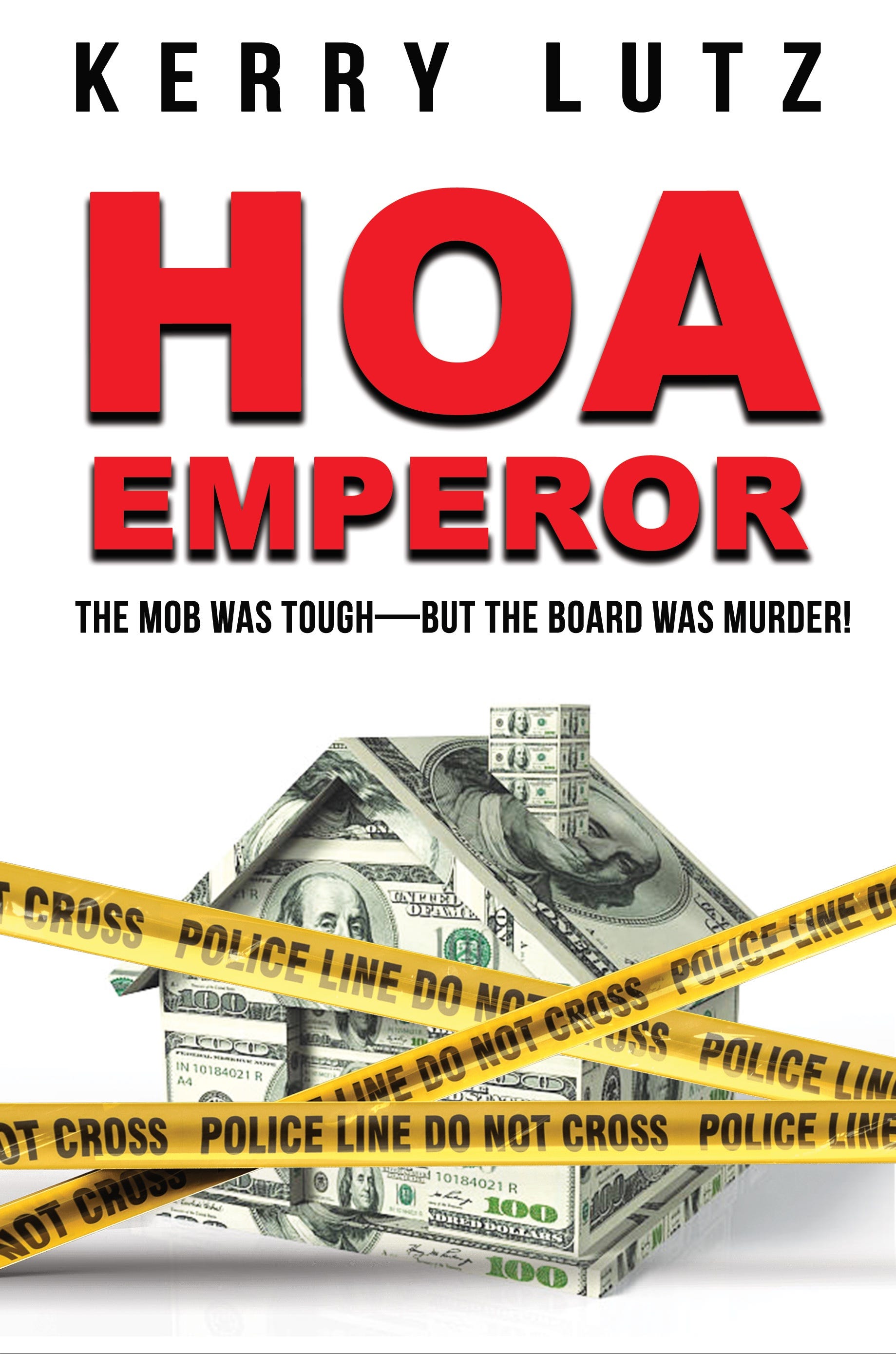
And that brings me to my novel, HOA Emperor.
He ran the mob. Now he runs the HOA. The Mob was tough, but the Board was murder.
After experiencing the peculiar universe of HOA politics firsthand, I decided that the only appropriate response was to write a novel about it. HOA Emperor takes the absurdity, petty power struggles, oversized egos, and bureaucratic madness of community associations to their logical comic conclusion. A former Mob financial controller in witness protection discovers the world of Florida’s Homeowners’ Associations and pickle ball will never be the same. If you’ve ever lived in an HOA, served on a board, or received a threatening letter because your garbage can was visible from the street, you’ll understand exactly where I’m coming from.
Check it out at HOAEmperor.com.
As for those mailboxes, I’m glad we got them painted when we did. They certainly weren’t going to fix themselves, and the dollars sitting in our reserve account weren’t getting any more valuable.
It’s a lesson that extends far beyond homeowners associations. When your currency is steadily losing purchasing power, postponing an expense you know is necessary doesn’t necessarily save money. Often, it merely guarantees you’ll spend more later.
The real question isn’t why everything keeps getting more expensive. It’s why we keep accepting money that buys less.
And if you think that’s a difficult concept for the average American to understand, try explaining it to an HOA board.
Waiting six months for cheaper mailbox paint is a perfect HOA inflation lesson. Affordability talk that skips purchasing power still drives me crazy for the same reason: the printer is usually faster than the painter.
Kerry, You have way too much time on your hands......Golf, tennis, Pickle.....